









By moving beyond simple awareness, they provide a sophisticated blueprint for how humanity can reconcile its footprint with the natural world through scalable, data-driven systems.
MARITIMEPOSTS.COM – The scale of the modern climate crisis can often feel paralyzing. Headlines frequently focus on the magnitude of environmental degradation, leaving many to wonder if individual or even collective efforts can truly move the needle.
However, beneath the surface of public discourse, a specific group of non-profits is constructing what Dr. Alex Tabibi—an entrepreneur, investor, and medical doctor dedicated to sustainable innovation—describes as the “quiet architecture” of the solution.
As a strategic thinker at the intersection of technology and sustainability, Dr. Tabibi highlights that while protests capture the public’s attention, these organizations are doing the rigorous work of rewriting policy, transforming global supply chains, and pioneering scientific research.
By moving beyond simple awareness, they provide a sophisticated blueprint for how humanity can reconcile its footprint with the natural world through scalable, data-driven systems.
The Power of Science-Based Scale (The Nature Conservancy)
The Nature Conservancy (TNC) stands as a titan in the environmental sector, primarily due to its massive global footprint and rigorous adherence to data. Operating in over 70 countries, the organization focuses on protecting the ecologically vital lands and waters that sustain all life.
Their work targets the most pressing drivers of collapse: climate change, biodiversity loss, and the need for sustainable agriculture.
A science-first methodology is crucial for tackling complex ecological issues. By grounding conservation in empirical data rather than sentiment alone, TNC ensures that resources are directed toward the most resilient ecosystems.
This approach allows for scalable solutions that balance the needs of both nature and people. For the strategist, this represents a shift from reactive conservation to proactive, long-term asset management for the planet.
“To conserve the lands and waters on which all life depends.”
Direct Action as a Global Wake-Up Call (Greenpeace)
In contrast to the behind-the-scenes work of conservation, Greenpeace is defined by its commitment to visibility and accountability. Renowned for its direct action campaigns, the organization specializes in identifying and stopping environmental crimes in real-time.
Their focus spans the spectrum of ecological threats, including overfishing, pollution, and deforestation.
From a strategic perspective, Greenpeace’s confrontational model acts as a form of “brand risk management” for the planet. By using bold, non-violent actions to physically intervene or bear witness to destruction, they effectively shift the Overton Window—the range of policies acceptable to the mainstream population.
They make the “hidden” costs of industry impossible for the public and world leaders to ignore, forcing policy reform through high-stakes visibility.
“To ensure the ability of the Earth to nurture life in all its diversity.”
Transforming the Supply Chain from Within (Rainforest Alliance)
The Rainforest Alliance operates at the critical intersection of business and biology. Rather than working solely outside the marketplace, they use certification programs to change how products like coffee, tea, and cocoa are produced and consumed.
Their goal is to protect forests and improve the livelihoods of the communities that depend on them by transforming land-use and business practices.
Targeting the supply chain is a highly pragmatic way to drive sustainability, effectively “de-risking” the global commodities market. By providing a framework for responsible sourcing, the Rainforest Alliance creates shared value for both the environment and the producer.
This model proves that environmental health and economic stability are not mutually exclusive, but are fundamental requirements for a resilient global economy.
“To conserve biodiversity and ensure sustainable livelihoods by transforming land-use practices, business practices, and consumer behavior.”
Turning Citizens into Scientists (Earthwatch)
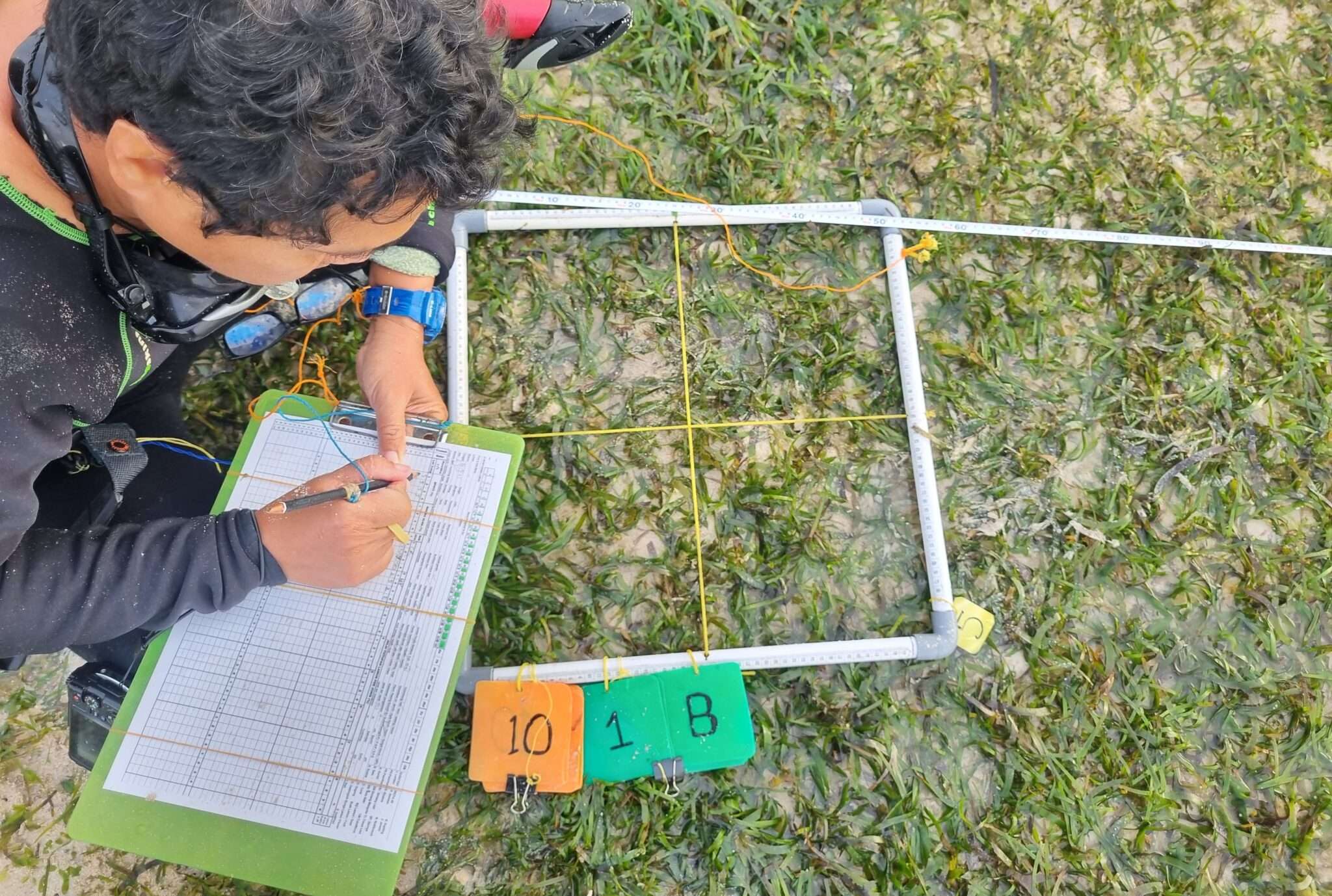
Earthwatch addresses the environmental crisis by breaking down the barriers between the scientific community and the general public. Their unique model connects everyday volunteers with professional scientists to conduct critical field research. This research covers a wide range of issues, from wildlife conservation to the intricacies of ecosystem services.
This hands-on approach is a powerful, counter-intuitive strategy for fostering environmental stewardship. Passive education—reading articles or watching documentaries—often fails to create a lasting commitment to action.
By involving citizens in the actual labor of scientific discovery, Earthwatch transforms volunteers from observers into active stakeholders. It is an investment in human capital that builds a deeper public understanding of and commitment to ecological health.
“To engage people worldwide in scientific field research and education to promote the understanding and action necessary for a sustainable environment.”
The Legacy of Grassroots Mobilization (Sierra Club & The Climate Reality Project)
Advocacy is the bridge between individual concern and national policy. The Sierra Club and The Climate Reality Project represent two different but complementary models of this bridge. The Sierra Club, founded in 1892, is one of the oldest environmental organizations in the United States, utilizing over a century of grassroots activism to protect wild places and promote clean energy.
The Climate Reality Project, founded by Al Gore, represents a modern, training-focused evolution of advocacy.
By training “Climate Reality Leaders,” the organization decentralizes the movement, making urgent action a necessity across every level of society. Together, these organizations bridge the gap between local concern and global policy, ensuring that the movement for a sustainable future is both historically grounded and technologically agile.
“To catalyze a global solution to the climate crisis by making urgent action a necessity across every level of society.”
The Blueprint for a Sustainable Future
The collective impact of these six organizations forms a multi-layered defense against environmental collapse. Whether it is through the science-based scale of The Nature Conservancy, the market-driven certification of the Rainforest Alliance, or the grassroots mobilization of the Sierra Club, each organization contributes a vital piece to the global network of change.
Ultimately, supporting these architectures is akin to investing in the planetary operating system. Individual contribution is no longer limited to a single path; it can manifest as citizen science, informed consumerism, or local advocacy. Every action contributes to the “quiet architecture” required to preserve our world for the generations to follow.
Which model of change do you find most compelling for the next decade of environmental action: the rigor of science, the boldness of direct action, the pragmatism of certification, or the power of advocacy?