

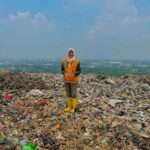



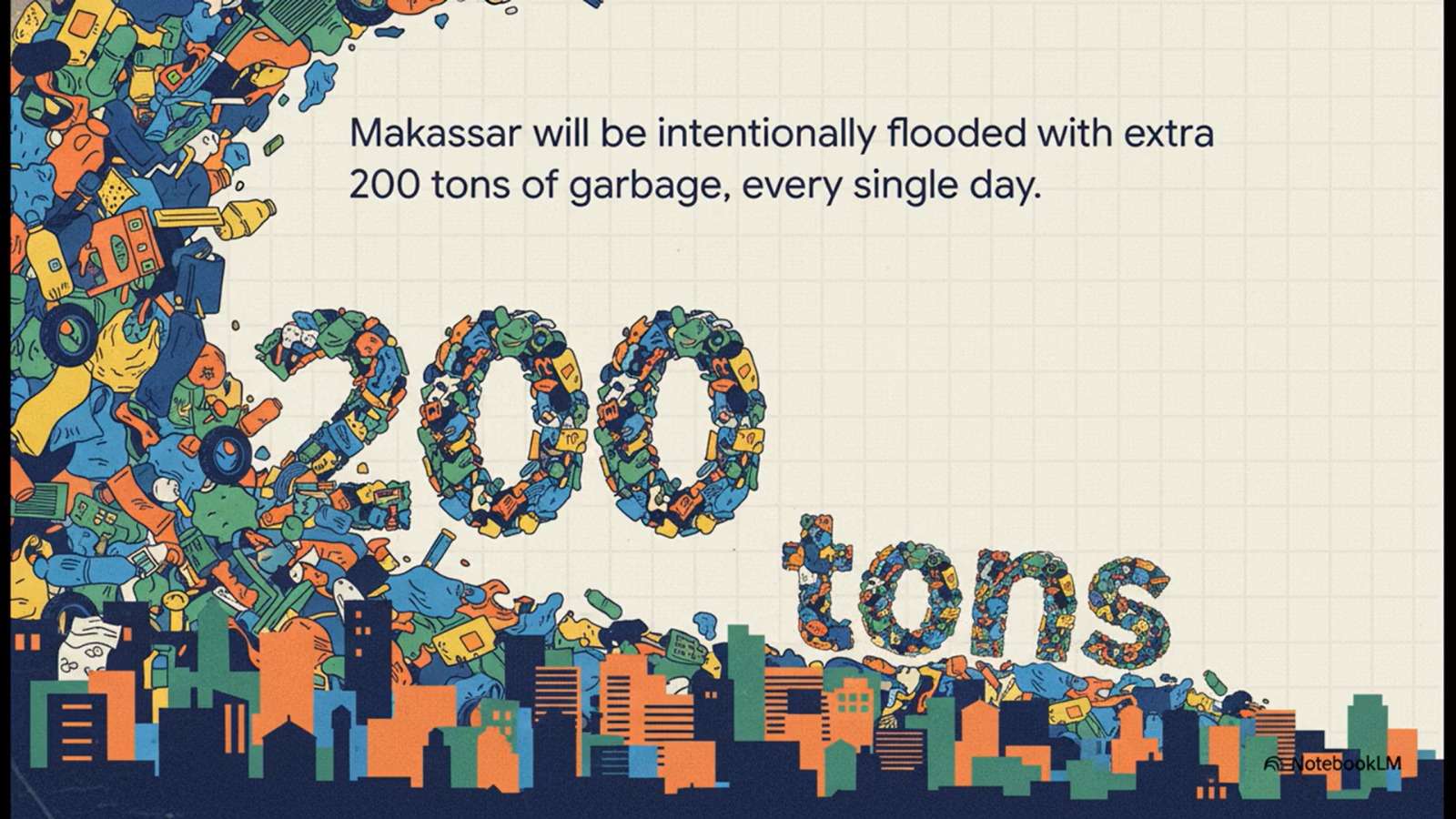
MARITIMEPOSTS.COM – The city of Makassar is stepping into a new era of urban sustainability with an ambitious waste-to-energy (WTE) project at the Tamangapa Landfill.
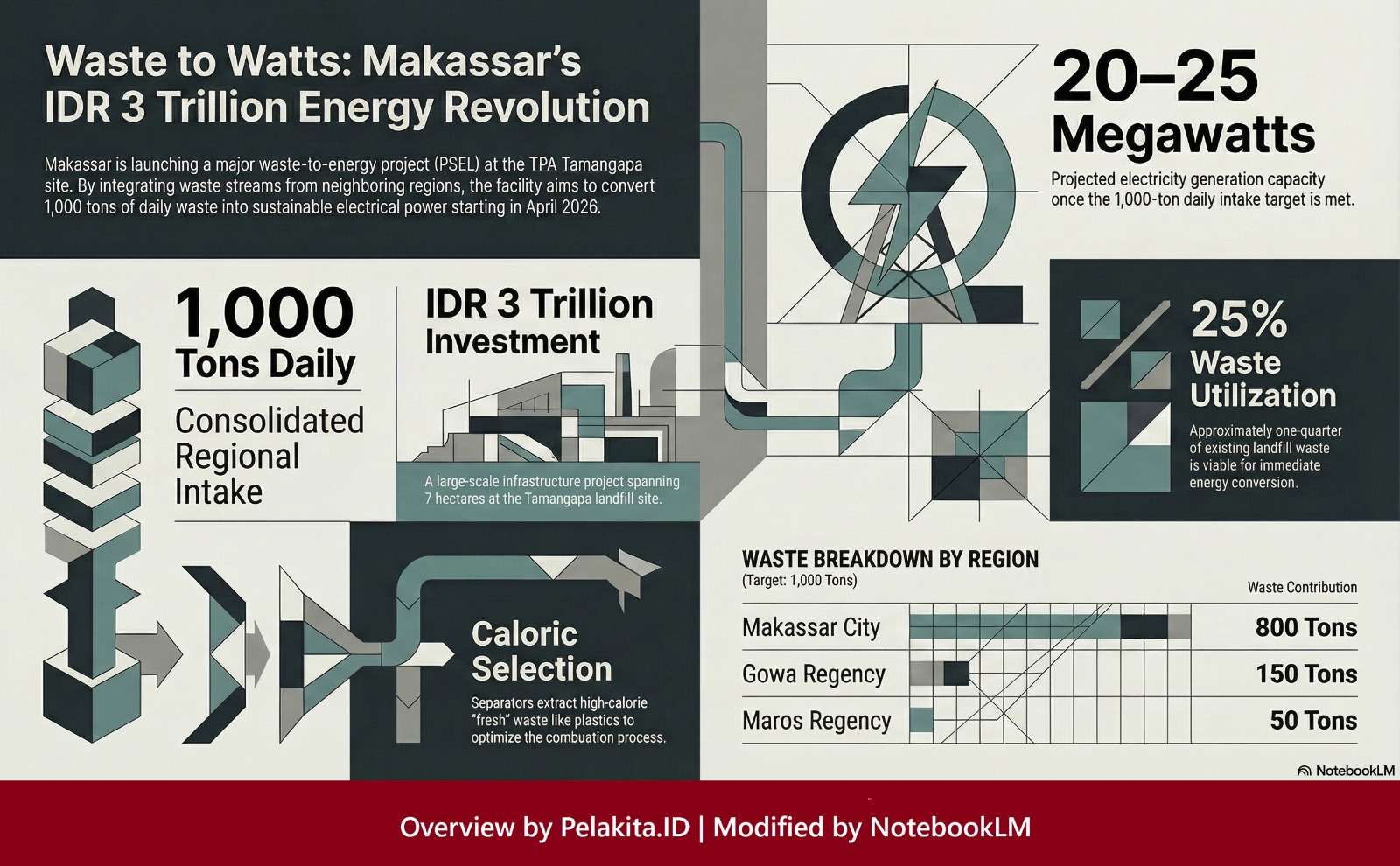
Designed to process up to 1,000 tons of waste per day, the initiative aims to convert the city’s mounting garbage problem into a renewable energy solution capable of generating 20–25 megawatts of electricity.
Valued at approximately IDR 3 trillion, the project—known as Pengolahan Sampah menjadi Energi Listrik (PSEL)—represents one of the most significant environmental infrastructure investments in Eastern Indonesia.
It is not merely about waste management; it is a strategic shift toward circular economy practices, where waste is no longer discarded but reimagined as a resource.
From Trash to Electricity: How the System Works
At the heart of the facility lies a carefully designed multi-stage process. Waste collected from across the city—and beyond—is first sorted using a separator system. This stage is critical, as it distinguishes between materials suitable for energy conversion and those that are not.
High-calorific waste, particularly plastics, becomes the primary fuel for energy generation.
These materials are selected because of their efficiency in combustion, allowing the plant to produce optimal energy output. In contrast, organic waste, metals, and glass are separated early in the process to avoid inefficiencies and environmental risks.
Once sorted, the selected waste undergoes controlled combustion using environmentally friendly technology. The heat generated from this process is then converted into electricity, feeding into the local power grid and contributing to the city’s energy supply.
Why Makassar Needs Help from Its Neighbors
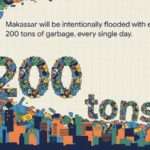
One of the unique aspects of this project is its reliance on regional collaboration. Currently, Makassar produces around 800 tons of waste per day—insufficient to sustain the plant’s optimal capacity.
To bridge this gap, the city has established an inter-regional partnership with Gowa and Maros. Under this arrangement, Gowa supplies approximately 150 tons of waste daily, while Maros contributes an additional 50 tons.
This agglomeration strategy ensures a stable daily supply of 1,000 tons of “fresh” waste, which is crucial for maintaining efficient combustion and consistent electricity generation. Without this collaboration, the plant would struggle to operate at full capacity.
Beyond Open Dumping: A Cleaner Waste Future
The project also marks a decisive move away from traditional “open dumping” practices, which have long posed environmental and public health risks. Instead, Makassar is transitioning toward a modern sanitary landfill system integrated with the WTE facility.
Not all waste is suitable for energy conversion—only about 20–25 percent meets the criteria. The remaining materials are managed through improved landfill practices, ensuring better environmental control and reduced pollution.
The separator system plays a vital role here as well. By isolating non-combustible materials such as metals and glass, it not only enhances energy efficiency but also opens opportunities for recycling and resource recovery.
Environmental and Strategic Impact
The benefits of the PSEL project extend beyond electricity generation. By prioritizing high-quality waste and using cleaner combustion technology, the facility minimizes emissions and reduces reliance on landfills.
Moreover, the use of fresh waste—rather than older, decomposed material—ensures a more stable and efficient energy conversion process. This approach reduces the risk of excessive smoke, methane release, and other environmental hazards commonly associated with poorly managed waste systems.
In a broader context, the project reflects a growing recognition that urban waste is not merely a burden but a potential asset. Through integrated planning and regional cooperation, Makassar is positioning itself as a model for sustainable waste management in Indonesia.
A Model for the Future
As cities across the country grapple with rising waste volumes and energy demands, Makassar’s initiative offers a compelling blueprint. By linking waste management with energy production, and by fostering collaboration across administrative boundaries, the city is redefining how urban challenges can be addressed holistically.
If successfully implemented, the Tamangapa waste-to-energy plant will not only reduce landfill pressure but also contribute to energy resilience—turning a persistent problem into a powerful solution.
___
Editor Denun