


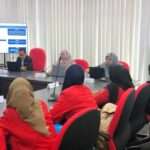

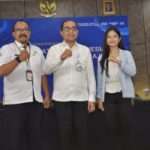


MARITIMEPOSTS.COM – Students of the Master’s Program in Health Administration and Policy (AKK), Faculty of Public Health, Hasanuddin University (FKM Unhas), Makassar, conducted an academic visit to the Social Security Organization (PERKESO) in Kuala Lumpur, Malaysia.
The activity was attended by 19 students accompanied by three lecturers: Prof. Dr. Amran Razak, M.Sc., Dr. Yusran Amir, SKM., M.PH., and Ryryn Suryaman Prana Putra, SKM., M.Kes. This visit was part of an international benchmarking program aimed at strengthening academic capacity and expanding students’ global perspectives in health policy and social security.
Specifically, the visit aimed to understand Malaysia’s employment social security protection system, including aspects of membership, benefits, program governance, and supervisory mechanisms.
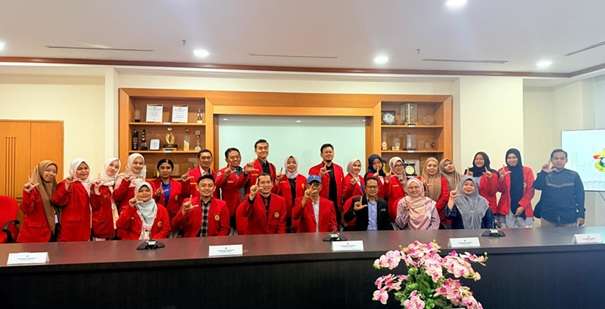
Through this activity, students were expected to gain a comprehensive understanding of how social security systems are designed and implemented to protect workers from various social and economic risks.
The visit began with an introduction by Dr. Yusran Amir, who presented the student delegation to PERKESO. He noted that some students have professional backgrounds in social security, particularly from Indonesia’s BPJS Ketenagakerjaan, which was expected to enrich discussions through the exchange of experiences between Indonesia and Malaysia.
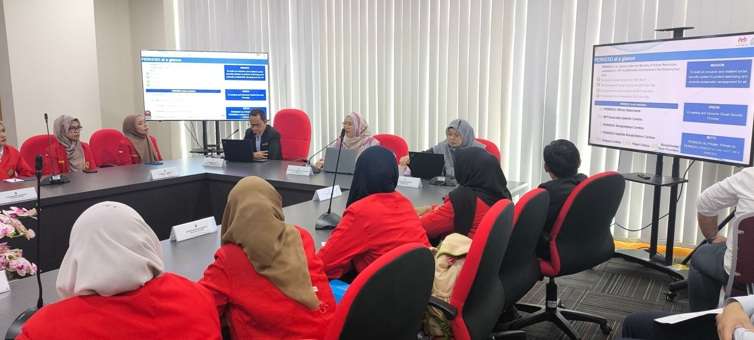
The presentation session was opened by Nur Auni Izzati, Head of the Policy and International Affairs Unit at PERKESO, who explained the organization’s profile and its development since its establishment in 1969.
She highlighted PERKESO’s strategic role in providing social protection for workers through various schemes, including coverage for workplace accidents, occupational diseases, and other social benefits.
The next session was delivered by Ahmad Haswadi Bin Hasyim from the Division of Contribution, Collection, and Enforcement.
He elaborated on membership mechanisms, contribution collection systems, and strategies for supervision and compliance enforcement. His presentation provided insight into how administrative and regulatory systems are effectively implemented to ensure the sustainability of social security programs.
Following this, Zaililah Binti Abd Kassim from the Benefit Division explained the types of benefits provided by PERKESO and the claim procedures available to participants.
This explanation underscored the importance of responsive, transparent, and needs-based service systems in delivering optimal protection for workers.
The visit served as a platform for knowledge exchange between Indonesia and Malaysia in managing employment social security systems.
Students gained comparative perspectives on the differences and similarities between PERKESO and BPJS Ketenagakerjaan, which can serve as valuable reflections for policy development and improving service quality in Indonesia.
Moreover, this experience strengthened students’ analytical skills in identifying best practices that can be adapted to the national context.
From an institutional perspective, this activity contributes to achieving Hasanuddin University’s Key Performance Indicators (IKU), particularly in enhancing off-campus learning experiences, expanding international collaboration networks, and increasing the relevance of education to workforce needs.
More broadly, this initiative aligns with the national development agenda, especially in improving quality of life and strengthening inclusive and equitable social protection systems.
In the global context, this visit also supports the achievement of the Sustainable Development Goals (SDGs), particularly Goal 3 (Good Health and Well-being) and Goal 8 (Decent Work and Economic Growth).
Through this activity, students are expected to gain strategic insights for designing innovative, adaptive, and sustainable health and social security policies in Indonesia.