




By implementing a strategic subsidy program, the government has revived a flight connection that had previously stalled due to the dual pressures of high ticket prices and low passenger numbers.
MARITIMEPOSTS.COM – For many travelers, the allure of Indonesia’s remote archipelagos is often dampened by a weary resignation regarding the “geographic tax” of remote beauty.
While the dream involves pristine white sands and crystal-clear waters, the reality frequently involves a gauntlet of expensive multi-leg journeys that turn a weekend getaway into a major financial undertaking.
For years, the Kepulauan Selayar (Selayar Islands) sat in this beautiful but difficult-to-reach category, struggling with high airfares and inconsistent connections that made it nearly invisible to the average domestic tourist.
However, a significant intervention by the South Sulawesi Provincial Government (Pemprov Sulsel) is breathing new life into the Makassar–Selayar route.
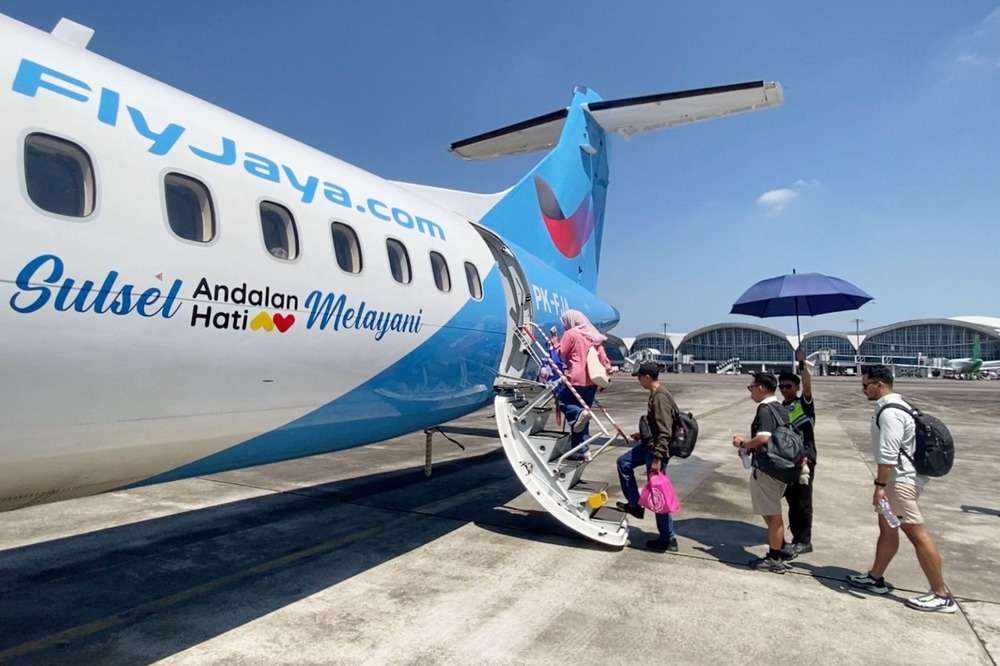
By implementing a strategic subsidy program, the government has revived a flight connection that had previously stalled due to the dual pressures of high ticket prices and low passenger numbers.
This isn’t just a policy update; it’s a logistical homecoming that is turning what was once an expensive luxury into an accessible local commute.
The initiative marks a turning point for regional connectivity, proving that when government prioritizes mobility, even the most secluded paradises can be brought within reach of the everyday citizen. By lowering the barrier to entry, the province is fostering a new era of economic and social integration for the islands.
The 60% Price Plunge
The most immediate impact of the subsidy is felt in the traveler’s wallet. Previously, a one-way ticket between Makassar and Selayar could cost anywhere from Rp700,000 to Rp1,000,000—a price point that effectively restricted the route to business travelers or those with significant disposable income. Under the new subsidized structure, rates have plummeted to a range of Rp300,000 to Rp400,000.
This shift fundamentally changes the “math” of regional travel. At these prices, the flight moves from being a rare luxury to a practical, time-saving choice for families and professionals alike. It effectively democratizes the skies over South Sulawesi, making spontaneous trips and regular visits feasible for a much broader demographic.
Ahmad Hidayah, a traveler who frequently makes the journey for both work and family, explains:
“Before, tickets could reach Rp700,000 to Rp1 million; now they are in the range of Rp300,000 to Rp400,000. This is very helpful for the community, both for tourism and work needs.”
Selayar has long held the potential to be a premier destination, with local leaders and residents alike eyeing a “Bali #2” status.
However, tourism potential is always secondary to infrastructure; a “hidden gem” remains hidden if the cost of discovery is too high. Natural attractions such as Pantai Pinang, renowned for its exceptional snorkeling and diving, are finally being placed on the map for domestic tourists who were previously priced out.
The impact of this affordability is best illustrated by the cultural tradition of Mudik—the annual homecoming during the Lebaran holiday. For drg. Lilies Anggarwati Astuti, the subsidy turned a family trip into a reality.
She noted that her group of five paid approximately Rp2 million for their departure—a total that would have barely covered two people under the old pricing regime. Having flown to Selayar immediately after Eid prayers, she saw firsthand the potential for the island to compete on a national stage.
As drg. Lilies Anggarwati Astuti says:
“I had the chance to go to Pantai Pinang, snorkeling and diving. There are many foreign tourists there too. If the facilities are increasingly equipped and road access is good, I am sure Selayar can be number two after Bali.”
Connectivity is only as good as its consistency. To ensure the route remains a dependable option, Pemprov Sulsel has partnered with Fly Jaya Air, establishing a regular schedule of three flights per week. This frequency is vital for regional development; it provides the “ease of mobility” that allows residents and investors to plan their lives without the fear of being stranded by a lack of transport.
This partnership is not an isolated effort but part of a sophisticated regional “web.”
Syarir, the Station Representative for Fly Jaya Air in Ujung Pandang (Makassar), highlighted that the airline supports priority routes that link Selayar to other economic hubs like Bone, Kendari, and Balikpapan.
This positioning transforms Selayar from a dead-end destination into an integrated node in a larger South Sulawesi economic network.
However, local travelers are already looking toward the next step: improving the transit links from the airport to the city center of Benteng to ensure the entire journey is as seamless as the flight itself.
While tourism often grabs the headlines, the human impact on the local workforce is perhaps the subsidy’s most profound achievement.
During the recent Mudik and Arus Balik (return flow) season, the flight served as a vital lifeline for workers returning to their posts. Connectivity in this context is a form of social equity, ensuring that those who work in remote regions aren’t penalized by the geography of their employment.
Fathia, a resident who used the subsidized flight to return to Selayar for work after the holidays, exemplifies this shift. She reflects on how the journey used to be a significant struggle—often difficult, slow, and expensive.
Today, the reality is “fast and cheap,” allowing her to transition between the provincial capital and her workplace with minimal friction. This ease of movement supports a more dynamic economy where workers can maintain family ties in Makassar while contributing to the development of the islands.
The Blueprint for a Connected Future
The revival of the Makassar–Selayar route serves as a successful blueprint for how synergy between the public sector and private operators like Fly Jaya Air can yield immediate results.
By subsidizing the cost of entry, the South Sulawesi Provincial Government is not just buying plane tickets; it is investing in the long-term economic and social health of the Kepulauan Selayar.
As regional travel continues to evolve, this model of strategic intervention offers a glimpse into a more connected Indonesia where geography is no longer a barrier to opportunity. If your dream destination was suddenly 50% cheaper and a flight away, where would you go first?