




MARITIMEPOSTS.COM – Waipia, Central Maluku — Efforts to establish a community-based marine conservation area in Teon, Nila, and Serua (TNS) Islands continue to gain momentum through a participatory approach.
Yayasan Konservasi Alam Nusantara (YKAN), with support from the Global Affairs Canada (GAC) Program, organized an initial workshop and participatory planning session as a first step toward designating the area as a marine conservation zone.
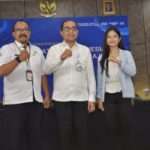
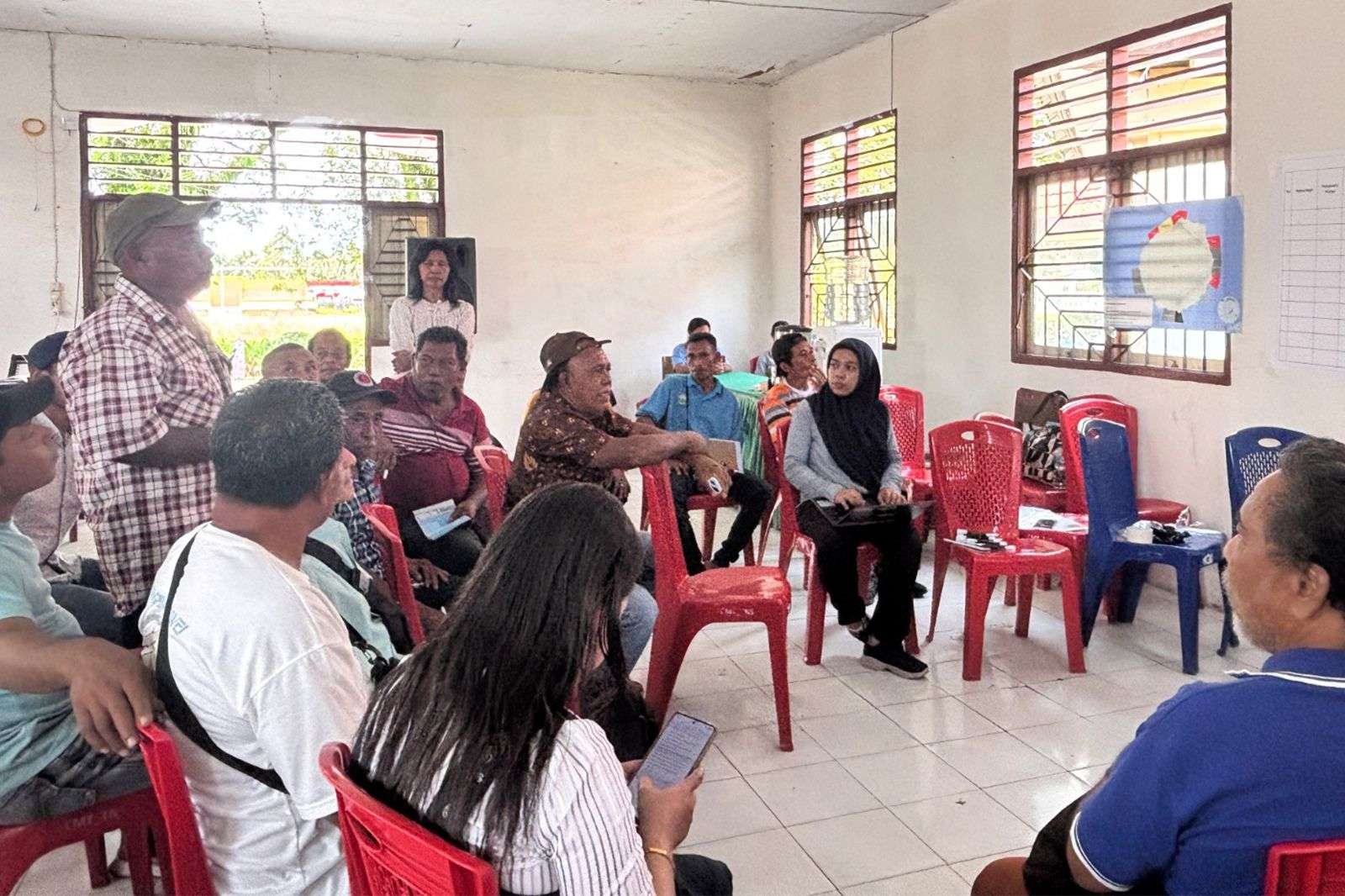
The activity, held at the TNS Subdistrict Office on Tuesday, March 3, 2026, brought together 65 participants from various community groups. Representatives included clan leaders, religious figures, the Latupati Council, subdistrict and village governments, women’s groups, and youth from Teon, Nila, and Serua Islands.
This broad participation was key to ensuring that the planning process remained inclusive and aligned with local needs.
Through the assessment, participants collaboratively mapped areas where sasi is still practiced and those where it is no longer active. They also identified key challenges, ranging from resource management to post-harvest processing, while formulating priority needs to strengthen community capacity in managing coastal resources sustainably.
In the proposed marine conservation plan for TNS waters, approximately 688 hectares have been designated as sasi zones. This allocation is the result of a series of public consultations and collective agreements.
The subdistrict government has expressed its full support for strengthening sasi practices as part of sustainable natural resource management.
Sasi itself is a long-standing customary system practiced by coastal communities in eastern Indonesia, particularly in Maluku and Papua. It regulates temporary closures of certain areas or marine species to allow ecosystems time to recover and regenerate. The process is governed by customary agreements and involves traditional institutions such as local kings and clan leaders, often accompanied by ceremonial rituals.
Amid growing pressure on marine resources, the relevance of sasi continues to increase. Beyond maintaining ecological balance, the system also supports local livelihoods, especially when harvesting periods are officially reopened. It stands not only as a cultural heritage but also as an adaptive mechanism for sustainable resource management.
Local customary leaders emphasized that sasi has been practiced for generations and remains an integral part of community life in TNS. Through this forum, they aim to ensure that each village shares a common commitment to implementing sasi closures and openings while addressing current challenges.
Community representatives also highlighted the need to strengthen post-harvest processing and governance systems.
While sasi has long been applied both at sea and on land, there is a shared hope that it can go beyond conservation and contribute more significantly to improving community welfare through better management.
As part of its community-based conservation approach, YKAN places indigenous communities at the center of natural resource management. Its support extends beyond ecological aspects to include institutional strengthening, governance improvements, and technical capacity building.
A similar approach has been implemented by YKAN in the Bird’s Head Seascape (BLKB) in Southwest Papua, where strengthening clan groups and women’s groups plays a crucial role in sustaining sasi management.
Through the assessment in TNS, YKAN seeks to ensure that all support provided aligns with community needs—ranging from capacity building and ecological knowledge to best practices in managing sasi.
Ultimately, collaboration among government, customary institutions, and local communities serves as the foundation of this initiative.
With strong synergy, strengthening sasi in TNS is expected not only to improve marine governance but also to serve as a cornerstone for establishing a sustainable, community-based marine conservation area.