

- For Indonesia, Raworth’s framework holds great promise. As a country rich in natural resources but struggling with environmental degradation, inequality, and unsustainable development practices,
- Indonesia faces a critical challenge: how to grow its economy without exhausting its environment.
- The inner ring of the doughnut aligns with the nation’s SDGs agenda to eradicate poverty, improve education and healthcare, and promote social equality. Meanwhile, the outer ring resonates with urgent needs to protect forests, restore mangroves, and address marine pollution and climate change.
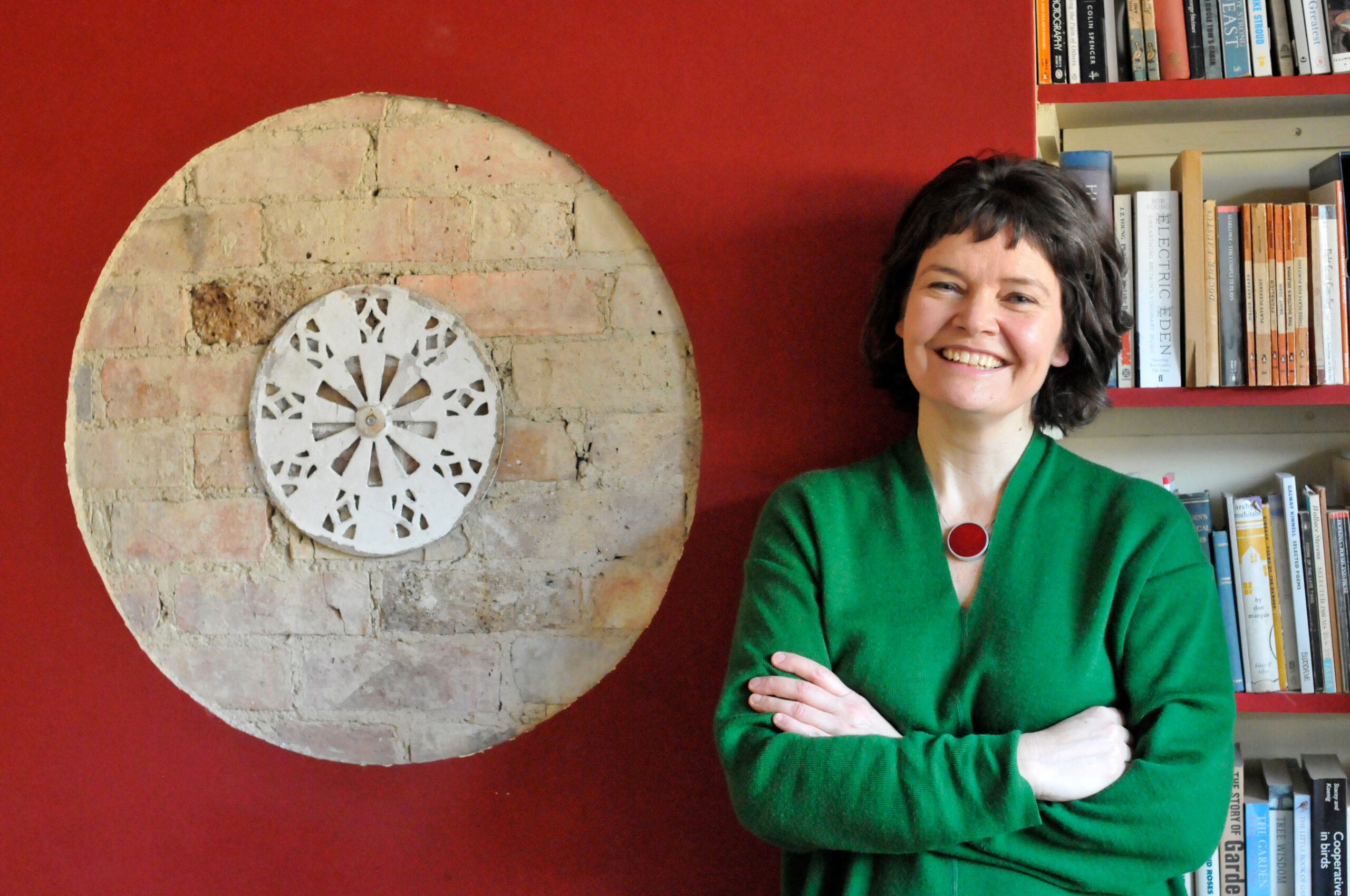
maritimeposts.com/ – Kate Raworth, a British economist born in 1970, has transformed the way the world thinks about economics and development.
Best known for her groundbreaking concept of Doughnut Economics, Raworth challenges the traditional obsession with GDP growth and proposes a model that balances human well-being with the planet’s ecological limits.
Raworth’s academic background in Politics, Philosophy, and Economics, as well as Development Economics from Oxford University, shaped her perspective on global inequalities and environmental crises.
Her early career at the United Nations Development Programme (UNDP) and Oxfam exposed her to the challenges of poverty and unsustainable growth.
In 2012, she introduced the idea of a “safe and just space for humanity,” which she later developed into a book, Doughnut Economics: Seven Ways to Think Like a 21st‑Century Economist (2017).
At the heart of Doughnut Economics is a simple yet powerful visual: a doughnut-shaped framework. The inner ring represents the social foundation—the minimum standards every person should have, such as access to food, education, healthcare, and equity.
The outer ring is the ecological ceiling—the planetary boundaries that humanity must not cross, including climate change, biodiversity loss, and pollution. Between these two boundaries lies the “safe and just space for humanity,” where societies can thrive without destroying the planet.
Raworth also offers seven ways to think like a 21st‑century economist, including changing the economic goal from growth to thriving, understanding the economy as part of a bigger social and environmental system, designing economies to be distributive and regenerative, and being agnostic about growth rather than endlessly pursuing it.
The influence of Doughnut Economics has gone far beyond academic circles. Cities like Amsterdam, Copenhagen, and Brussels have adopted the model to guide urban planning and sustainable development policies.
In Sweden, the small town of Tomelilla has even integrated the doughnut approach into local governance and education, showing that these ideas can be applied anywhere.
For Indonesia, Raworth’s framework holds great promise. As a country rich in natural resources but struggling with environmental degradation, inequality, and unsustainable development practices,
Indonesia faces a critical challenge: how to grow its economy without exhausting its environment.
The inner ring of the doughnut aligns with the nation’s SDGs agenda to eradicate poverty, improve education and healthcare, and promote social equality. Meanwhile, the outer ring resonates with urgent needs to protect forests, restore mangroves, and address marine pollution and climate change.
Programs like sustainable shrimp farming in Riau Islands, community-based mangrove restoration, and social enterprises in rural areas reflect the very principles Raworth advocates—creating economic opportunities that also regenerate nature and empower local communities.
Adopting Doughnut Economics in Indonesia would require more than policy adjustments. It would mean embedding sustainability and equity into the core of governance, business models, and community action.
Raworth herself emphasizes that regenerative and distributive economies must be built into the DNA of organizations—through their purpose, governance, ownership, and finance.
By integrating these ideas into national and local strategies, Indonesia could lead by example in aligning development with both human well-being and ecological stewardship.
Instead of chasing endless growth, the country could focus on thriving—ensuring that all citizens live above the social foundation without breaching the planet’s limits.
Kate Raworth’s legacy is a vision of an economy that serves humanity and respects nature. For Indonesia, Doughnut Economics is not just a theory but a practical guide to achieving a fairer, greener, and more resilient future.
(Source internat)